Mold and moisture, add-on assessment
Mold testing in Phoenix starts by finding the water
Mold in a Phoenix home is almost always a moisture problem first, so an assessment starts by finding where water is getting in, not by rushing to a lab. AZHI performs a moisture and mold assessment and can add surface or air sampling through an outside lab when a specific question calls for it. AZHI does not remediate and cannot certify a home mold-free.
- Assessment plus optional lab sampling
- AZHI does not remediate
- No pass or fail result
Start here
Mold is a symptom. The problem is water.
Most people arrive here after something specific: a musty smell, a stain spreading on drywall, a past leak, or a lender or buyer who asked for a mold test. The instinct is to want a lab number that declares the house safe or unsafe.
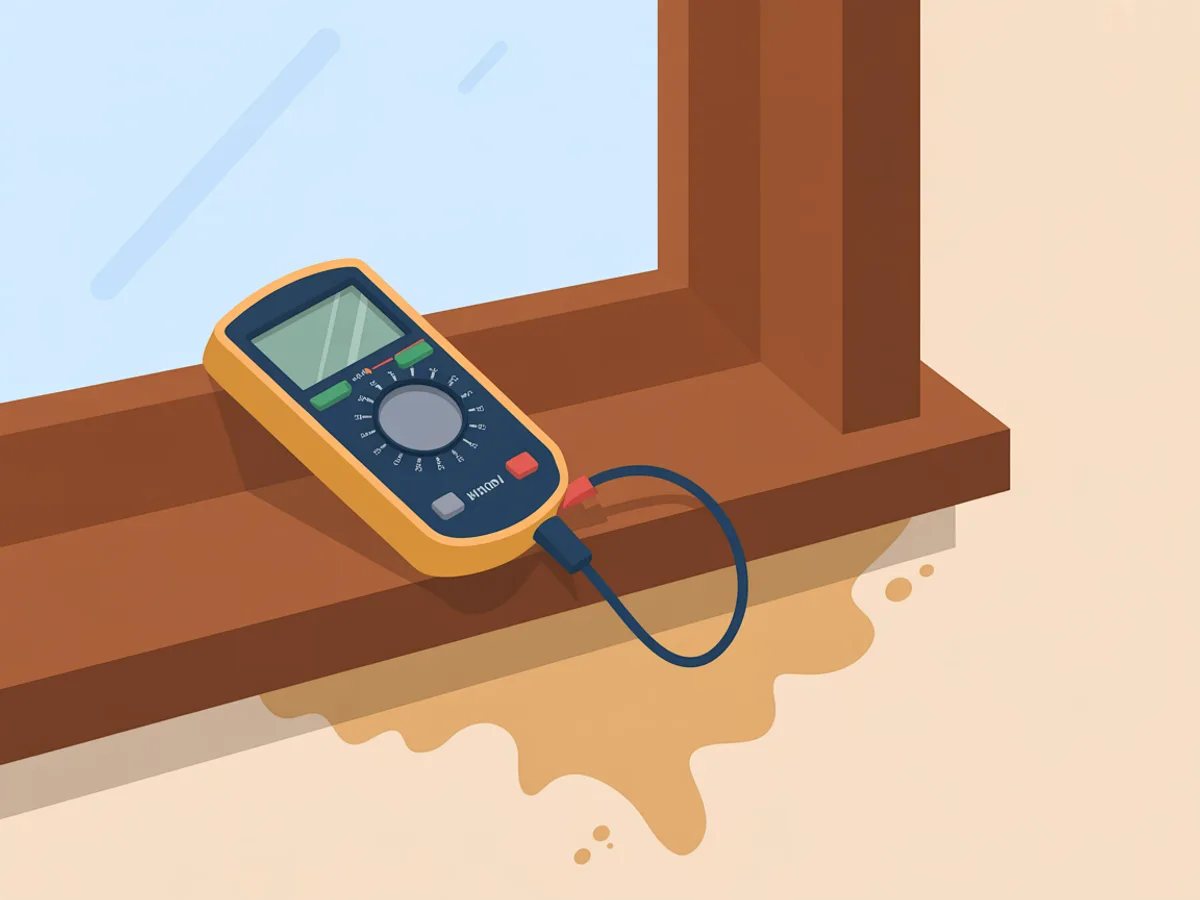
The more useful question is not how much mold is in the air, it is where moisture is getting in and how far it has traveled. Find and fix the water, and the mold problem goes with it. That is why an AZHI assessment leads with a moisture meter, not a spore trap.
What the EPA says
If you can see mold, you generally do not need to sample it to know the moisture problem should be fixed. There is no federal safe or unsafe threshold for mold, which is the honest reason AZHI does not sell a pass or fail lab result.
The distinction that matters
Three different things, one confusing word
Competitors blur these together. AZHI keeps them apart, because the right next step depends on knowing which one you actually need.
Assessment
- What it is
- A visual and instrument walk of the areas of concern, with moisture meters and photos.
- The question it answers
- Where is water getting in, and how far has it traveled?
- Who performs it
- AZHI, on site.
- Does AZHI do it
- Yes. This is the base service.
Lab sampling
- What it is
- A surface swab or tape-lift, or a spore-trap air sample with a same-day outdoor control, sent to an accredited lab.
- The question it answers
- What is present at one defined spot, or airborne at one location, at one moment?
- Who performs it
- AZHI collects; an independent lab analyzes and interprets.
- Does AZHI do it
- Only when a specific question calls for it, quoted separately.
Remediation
- What it is
- The cleanup and repair: removing growth, drying, running scrubbers, fixing the water source.
- The question it answers
- How do we remove the mold and stop the moisture?
- Who performs it
- A remediation contractor or industrial hygienist.
- Does AZHI do it
- No. AZHI refers this out and stays independent of the cleanup.
Before you pay for a test
Do you even need a lab sample?
What are you actually seeing?
The honest answer depends on it, and sometimes the answer is no test.
Visible growth with a known leak
Per the EPA you can usually skip the test and fix the moisture. Sampling optional.
A musty smell, nothing visible
A sample may help locate or characterize what a walk cannot see.
A buyer, lender or landlord asked for a test
Assessment plus documented sampling, for the paper trail they want.
You need post-cleanup clearance
That is a separate clearance scope after remediation, not this assessment.
Scope
What a moisture and mold assessment covers
The on-site assessment AZHI performs
- Moisture mapping with meters across the areas of concern
- Visual assessment of staining, water tracks, efflorescence and suspected growth
- Notes on humidity, ventilation and the conditions driving moisture
- A written record, the likely moisture story and a clear recommended next step
Optional lab sampling, when a question calls for it
- Surface sampling: a swab or tape-lift from one defined spot, sent to an accredited lab
- Air sampling: a spore trap paired with a same-day outdoor control sample
- The lab analyzes and interprets; AZHI relays and contextualizes the result
- An add-on layer, quoted separately, not part of the base walk
The inspector hunts water
In Phoenix, water gets in at a short list of places
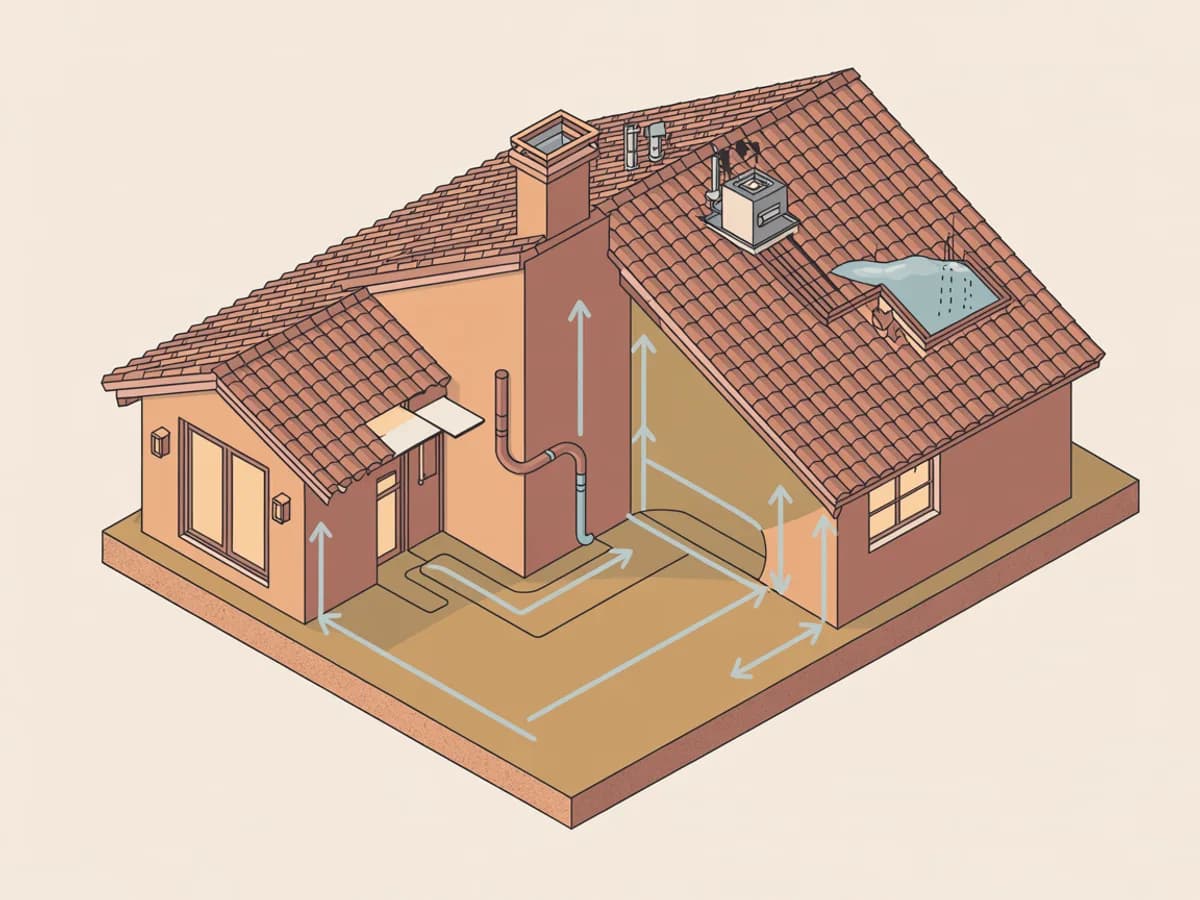
A moisture-first assessment traces the building conditions that let water reach the finishes. In the desert, the recurring entry points are predictable, which is exactly why the walk is systematic rather than a hunt for spores.
- Roof, parapet and skylight penetrations
- Window and door flashing
- Plumbing fixtures and supply or drain lines
- HVAC condensate lines and pans
- Grading and irrigation against the slab
- Evaporative cooler lines and roof units
One sample, one moment, one spot
What a lab number can, and cannot, tell you
A test can help answer a narrow question. It cannot do the things people most often expect of it, and being straight about that is part of doing the work well.
- It cannot certify a home mold-free or declare it safe. Mold spores are in essentially all indoor and outdoor air.
- One air result is a snapshot of one spot at one moment; the HVAC, an open door or the weather can move it, and a different hour can read differently.
- An indoor count means little without a same-day outdoor control sample as a baseline, and the lab, not AZHI, interprets what a sample contains.
- No result passes or fails a code or legal standard, because there is no federal safe or unsafe threshold for mold.
- It does not diagnose health effects or connect a finding to symptoms. Health questions belong to a medical professional.
What you receive
The written moisture story, and a next step
You receive photographed observations of staining and suspected growth, moisture-meter readings for the areas of concern, notes on the conditions driving moisture, the likely moisture story and a clear recommended next step. Where sampling is added, the independent lab issues its own analytical report on its own timeline, and AZHI relays and contextualizes it.
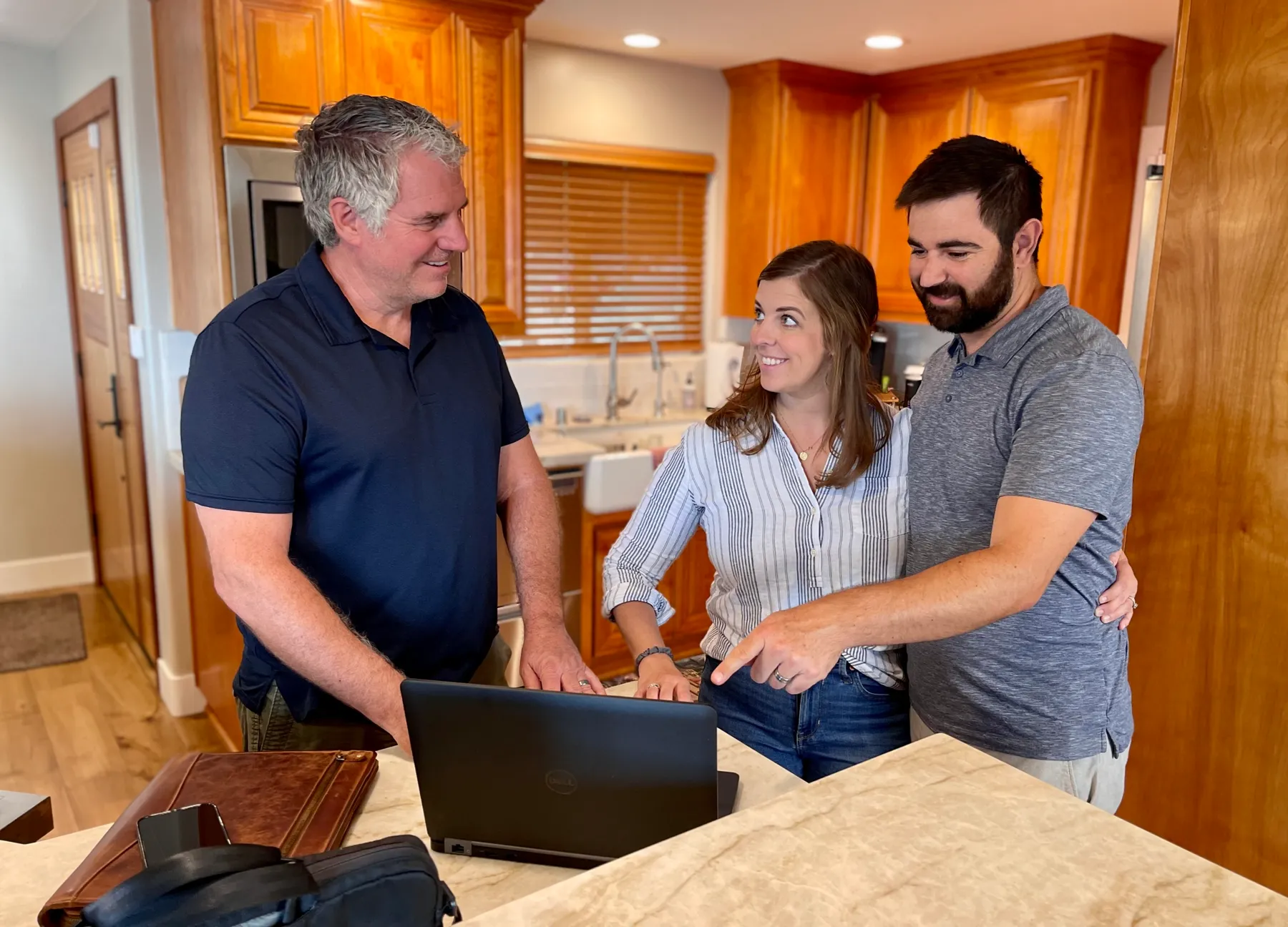
Every assessment hands you
- Photographed observations of staining, water tracks and suspected growth
- Moisture-meter readings for the areas of concern
- The likely moisture story and where the water is coming from
- A clear recommended next step: dry and monitor, sample, or refer to remediation
Mold testing is an add-on quoted separately from the base inspection. A firm price comes from calling 480-805-2025 with the property details and what prompted the concern.
Common questions
Mold questions we get asked
How do I know if I actually have a mold problem?
The common signs are visible staining or growth, a persistent musty smell, or a history of leaks or high humidity, but moisture behind finishes often shows up on a meter before you can see or smell anything. An assessment traces the moisture; it is what tells you whether something needs action and where the water is coming from.
Do I need a lab test, or is looking at it enough?
Often looking is enough. The EPA's position is that if you can see mold, you generally do not need to sample it to know the moisture problem should be fixed. A sample earns its place when there is a specific question to answer, such as a smell with no visible source, or a buyer, lender, or landlord who has asked for documented testing.
What is the difference between surface and air sampling?
A surface sample (a swab or tape-lift) collects from one defined spot to help characterize what is growing there. An air sample uses a spore trap to capture what is airborne at one location and must be paired with a same-day outdoor control sample so the lab has a baseline to compare against. Both are analyzed by an independent lab, not by AZHI.
If the air sample comes back with a number, does that mean the house is safe?
No. There is no federal safe-or-unsafe threshold for mold, and one air sample is a snapshot of one spot at one moment that can change with the HVAC, open doors, or the weather. A result helps answer a narrow question; it cannot certify a home mold-free or declare it safe, and it says nothing about anyone's health.
Can you get rid of the mold you find?
No. AZHI assesses moisture and mold and can arrange sampling, but does not perform remediation, cleanup, or repairs. When findings call for it, you get documented observations and a referral to a remediation contractor or industrial hygienist, so the assessment stays independent of the cleanup.
Can mold testing tell me if the mold is making me sick?
No. Testing characterizes what may be present at a spot or in the air at a moment; it does not diagnose health effects and cannot connect a finding to symptoms or illness. Health questions belong to a medical professional. What AZHI can do is find and document the moisture problem so it can be addressed.
Where mold testing fits
Often booked alongside these
Where we work
Mold testing across the Valley
- Scottsdale
- Tempe
- Mesa
- Chandler
- Gilbert
- Glendale
- Peoria
- Avondale
- Goodyear
- Buckeye
- Verrado
- Litchfield Park
- Tolleson
- El Mirage
- Surprise
- Waddell
- Youngtown
- Cave Creek
- Carefree
- Anthem
- New River
- Rio Verde
- Fountain Hills
- Paradise Valley
- Queen Creek
- San Tan Valley
- Apache Junction
- Gold Canyon
- Florence
- Casa Grande
- Maricopa
- Coolidge
- Sun City
- Sun City West
- Sun Lakes
You can tell right away that Bob is a perfectionist and loves finding the hidden home issues. Highly recommended, the best in the business.
Book it
Get a quote for a moisture and mold assessment
Send the property details and what prompted the concern. You get a written quote and the next available dates back.