Queen Creek, Arizona
Home inspection in Queen Creek
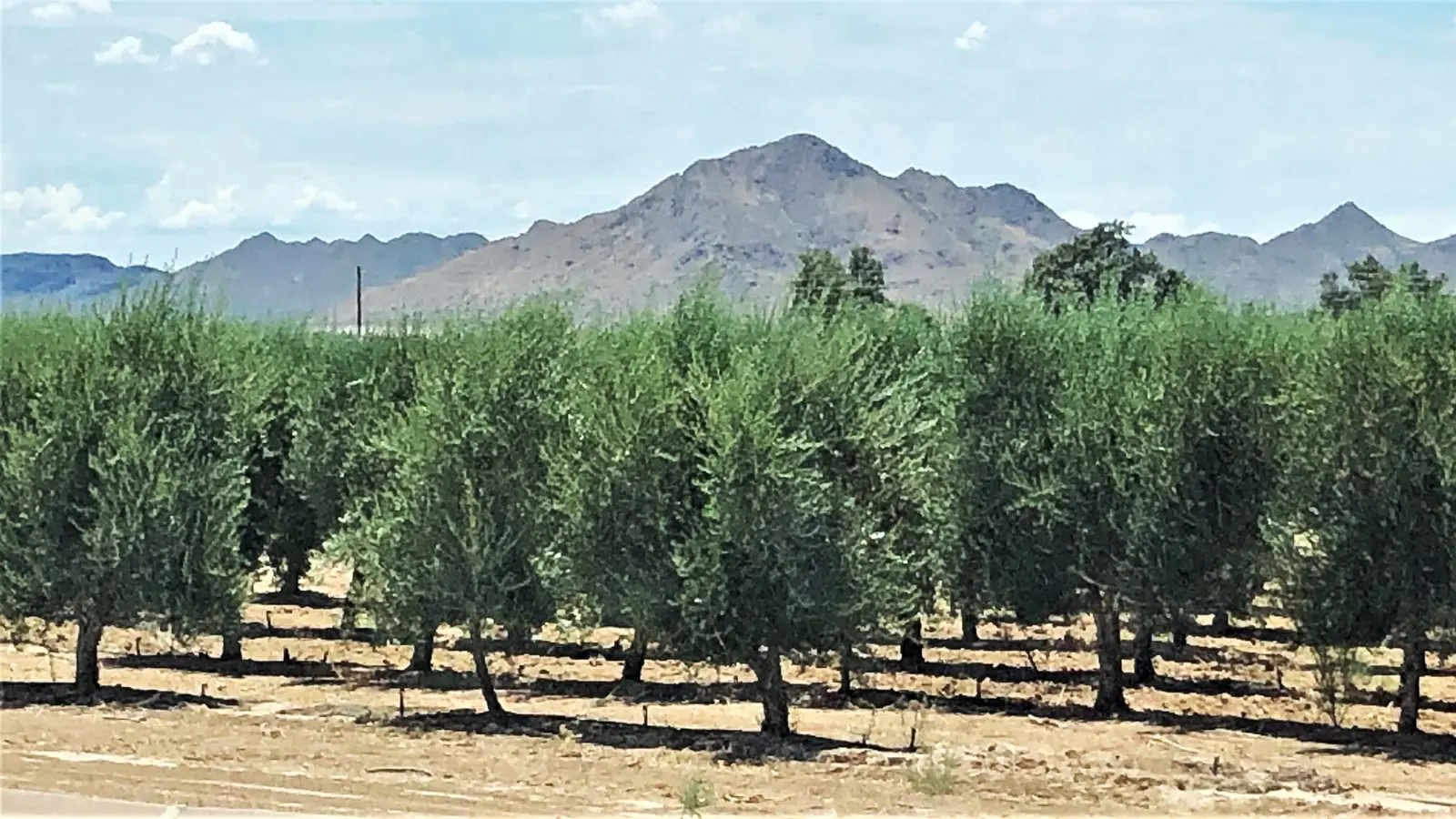
A home inspection in Queen Creek starts with one question: acreage or master plan? The town's General Plan still sets out to conserve rural and equestrian areas, where lots run about an acre or more and roads often have no curbs. A property there may sit outside the town's sewer service area on its own septic system, with a barn, shop or casita beside the house. Nearby, master-planned communities keep recording new phases, where the useful work is catching workmanship issues before drywall and again before the builder's first year is up.
- ASHI Certified Inspector
- From $285 residential
- Report on-site, same day
The Queen Creek housing stock
What the local stock means for your inspection
Queen Creek's acreage side includes 1970s plats such as Ranchos Jardines and 1990s ones such as Queen Creek Ranchettes and Will Rogers Equestrian Ranch, while its master-planned side runs from 2000s communities like Sossaman Estates to phases recorded since 2015 at Church Farm, Harvest at Queen Creek and Barney Farms.
- Queen Creek incorporated on Sept. 5, 1989, as a rural farming community; founding families had homesteaded the area, then called Rittenhouse, in the early 1900s.
- The town lies mostly in Maricopa County and extends into Pinal County, where it annexed the Ironwood Crossing neighborhood in 2018.
- Its 2018 General Plan aims to conserve agricultural, rural and equestrian areas, and the town runs Horseshoe Park & Equestrian Centre for English and Western riding events.
Neighborhoods we inspect in Queen Creek
- Ranchos Jardines
- Queen Creek Ranchettes
- Will Rogers Equestrian Ranch
- Sossaman Estates
- Hastings Farms
- Church Farm
- Harvest at Queen Creek
- Ironwood Crossing
And every other neighborhood in Queen Creek. If your street is not listed, it is still covered.
On the ground here
What an inspector watches for in Queen Creek
These are the items that come up most in Queen Creek's housing stock. They are what to expect, not a verdict on any one home.
Septic on lots beyond the town sewer
Queen Creek's sewer utility serves the Town Center and much of the planned higher-density neighborhoods, so a large-lot home may run on its own septic system. That system needs its own evaluation by a certified septic inspector, separate from AZHI's visit.
Barns, shops and casitas on horse properties
Equestrian lots can carry barns, workshops, ramadas or a casita that add roofs, wiring and sometimes plumbing to evaluate. The town requires permits for structures attached to the home and for detached ones of 200 square feet or more.
Town code inspections are not workmanship reviews
Queen Creek's building inspectors check code compliance at set stages. Quality of work falls to the Registrar of Contractors, where new-construction complaints against licensed contractors must be filed within two years from close of escrow or actual occupancy, whichever occurred first.
Safety devices the town tells owners to keep
The town's building-safety guidance tells new-home owners not to remove or alter smoke and carbon monoxide alarms, GFCI and AFCI protection, gas flue piping, dryer ducts, hose-bib backflow devices or the water heater relief valve, all worth confirming before move-in.
Pre-drywall and 11-month visits on new phases
In master plans still adding phases, a Phase 2 pre-drywall inspection sees framing, wiring and plumbing before they are covered, and an 11-month inspection documents defects for the builder while the first-year window is still open.
Fissure maps worth checking before you buy
The town's earth-fissure page points to Arizona Geological Survey maps for the Chandler Heights area and notes that heavy rains reactivated a fissure near Queen Creek in August 2005. Checking a parcel against those maps is separate from the inspection.
Most relevant here
What Queen Creek buyers ask about most
Queen Creek homes range from acreage with outbuildings to brand-new tract builds. The buyer's inspection covers the house, with any outbuildings discussed when you book, Phase 2 and 11-month visits cover new construction, and mold testing follows up on signs of past leaks.
- Buyer's Home InspectionBefore you close, know exactly what you're buying, every major system, walked with you and explained.
- Phase 2 (Pre-Drywall) InspectionOnce drywall goes up, the framing, plumbing, and electrical rough-in disappear for good. A pre-drywall inspection catches problems while they are still easy to fix.
- 1-Year Warranty InspectionYour builder’s warranty closes at a year. A warranty inspection makes sure everything that should be covered gets addressed before that window closes.
- Mold Testing & InspectionMoisture problems do not always announce themselves. Mold testing shows what is happening behind the walls, in the attic, and around past water intrusion, before it becomes your liability.
See every inspection service, available in Queen Creek like every AZHI service.
Common questions
Inspecting a home in Queen Creek
Is the septic system part of a Queen Creek home inspection?
No. If the property sits outside the town's sewer service area and uses septic, Arizona requires the seller to have a certified inspector complete a transfer-of-ownership inspection within six months before the property transfers, and the buyer files a Notice of Transfer within 15 calendar days afterward. That work is separate from AZHI's inspection. The town's sewer service map shows which side of the line a property is on.
We're buying new construction in a Queen Creek master plan. Isn't the town's inspection enough?
The town's building inspectors verify code compliance at stages such as foundation, framing and final, which is a different job from reviewing workmanship; the town's own guidance sends quality complaints to the Registrar of Contractors. A pre-drywall inspection before insulation and drywall go in, plus an 11-month inspection before the builder's first year ends, gives you an independent record while fixes are still the builder's responsibility.
What does an inspection cover on a Queen Creek horse property?
The home inspection centers on the house and its attached structures. Barns, shops, ramadas and casitas each bring their own roof, electrical feed and sometimes plumbing, so mention them when you book to settle up front what the visit will include. Queen Creek requires permits for attached structures and for detached ones of 200 square feet or more, so comparing what stands on the lot with permit records is worthwhile. Septic systems, corrals and arena footing fall outside a home inspection.
Can the inspection check for mold or roof problems on a Queen Creek home?
The roof is part of every inspection: covering, flashings, penetrations and visible signs of leaks, walked when that can be done safely. Mold testing is a separate AZHI service, worth adding when the inspection finds staining, musty odors or past water damage, whether it traces to an older acreage roof or a new home's first monsoon season.
Bob did a fantastic job. He was very professional and extremely knowledgeable on every aspect of our home. He explained and offered suggestions on how to fix the issues that he had discovered during his inspection. His final report was very detailed and was sent to us the same day as our inspection. I highly recommend AZ Home Inspection Services.
Book it
Schedule your Queen Creek inspection
When you book, tell us whether the Queen Creek home is acreage or a new build, and list any barn, shop or casita, so the visit is planned around what is on the lot.
Residential inspections start at $285. You get a price and the next available dates back.